Sarawak and IBM plan Quantum Safe Centre for post-quantum security
SAIC and IBM Malaysia plan to establish the Sarawak Quantum Safe Centre for post-quantum security, research, and skills development.
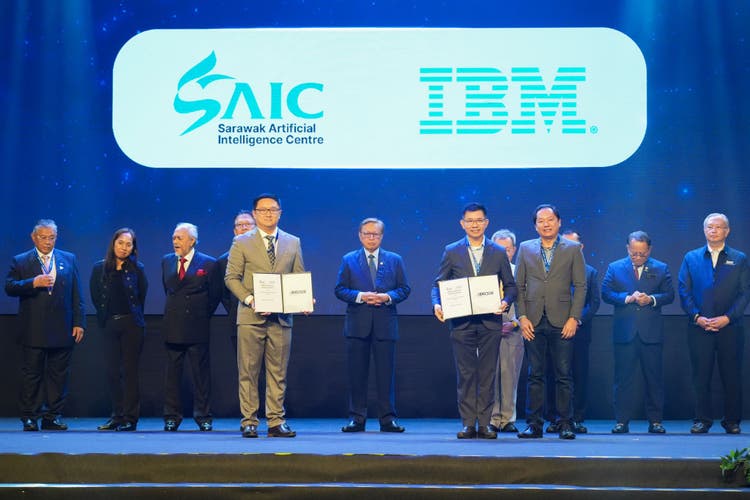
Sarawak Artificial Intelligence Centre (SAIC) and IBM Malaysia plan to establish the Sarawak Quantum Safe Centre, a proposed hub focused on post-quantum cybersecurity, research, skills development, and industry adoption.
SAIC and IBM described the proposed center as a sovereign innovation hub for quantum-safe readiness in Sarawak and across East Malaysia. Planned activities include research, customer engagement, technical demonstrations, and support for organizations preparing to adopt post-quantum security measures.
Future cryptographically relevant quantum computers could break some public-key cryptographic algorithms used to protect data and communications.
Another concern is the "harvest now, decrypt later" approach, in which attackers collect encrypted data with the expectation that future quantum computers will be able to decrypt it.
Malaysia moves toward post-quantum readiness
The proposed center comes as organizations begin moving toward post-quantum cryptography standards finalized by the US National Institute of Standards and Technology. NIST approved FIPS 203, FIPS 204, and FIPS 205 in August 2024, covering key establishment and digital signatures intended to withstand attacks from quantum computers. NIST has encouraged organizations to begin transitioning to the standards.
Malaysia is also developing a national post-quantum cryptography migration plan focused on protecting critical information infrastructure. The National Cyber Security Agency's MyKriptografi Action Plan 2026–2030 separately covers cryptographic governance, technical expertise, technology adoption, and research, with quantum computing among the cybersecurity challenges addressed by the framework.
Preparing for post-quantum migration
Under the proposed collaboration, SAIC and IBM plan to help organizations identify cryptographic assets, assess associated risks, and prepare systems for a transition to post-quantum cryptography.
The collaboration will use IBM Guardium Cryptography Manager to inventory cryptographic assets and identify areas requiring remediation. SAIC and IBM also plan to develop frameworks and methodologies for managing the transition to quantum-safe cryptography.
NIST's post-quantum migration work includes cryptographic visibility and risk management, including mapping where cryptography is used across systems, applications, devices, and data flows. CISA similarly recommends inventorying quantum-vulnerable technologies so organizations can identify systems that will require remediation.
CISA has also described post-quantum migration as a multi-year process, particularly in operational technology environments where systems can remain in service for extended periods. Its guidance recommends beginning work such as system inventories and resource planning before cryptographically relevant quantum computers become available.
Sarawak's digital-economy strategy includes cybersecurity, digital skills, research, and technology development. The state government has also said technologies including AI, blockchain, and quantum computing will affect how cybersecurity needs to be addressed.
SAIC and IBM also plan to develop customer engagement programs, demonstrations, and service offerings aimed at small and medium-sized enterprises, large organizations, and public-sector agencies.
The collaboration is also expected to cover research, workforce development, and industry awareness related to quantum-safe security.
Dickson Woo, country general manager and technology leader at IBM Malaysia, said public-private collaboration would be needed to address risks associated with "harvest now, decrypt later" attacks and future quantum computers capable of affecting existing cryptographic systems.
"Our collaboration with SAIC brings together IBM's global expertise and Sarawak's vision to strengthen quantum-safe readiness, cultivate future-ready talent, and build a thriving ecosystem," Woo said.
The announcement did not provide a launch date for the Sarawak Quantum Safe Centre or details on planned investment, staffing, or initial participating organizations.